Making Safety Part of the Routine
Every Marine learns and practices weapons safety, including the Four Weapons Safety Rules, Safe Weapons Handling, and Safe Weapons Storage and Accountability. Applying those same habits to privately owned weapons—and to medications—is lethal means safety (LMS).
Living Quarters and the Barracks
Marine Corps policy states that privately owned weapons are never permitted to be stored in barracks rooms or privately owned vehicles on base. Marines can register privately owned weapons with the Provost Marshal's Office and secure them in the armory.
The “car keys principle” also applies to firearms. Just as Marines would take the keys from someone too impaired to drive, Marines should help limit firearm access during periods of severe stress. Voluntary, temporary storage may be an option through the command or another lawful, trusted arrangement, consistent with local policy.
Time and Distance Save Lives
Suicidal crises can escalate quickly, but the decision to act can pass with time, support, and reduced access to lethal means. Secure storage creates time and distance between a person in crisis and a firearm, providing an opportunity to regroup, reach out, and get help.
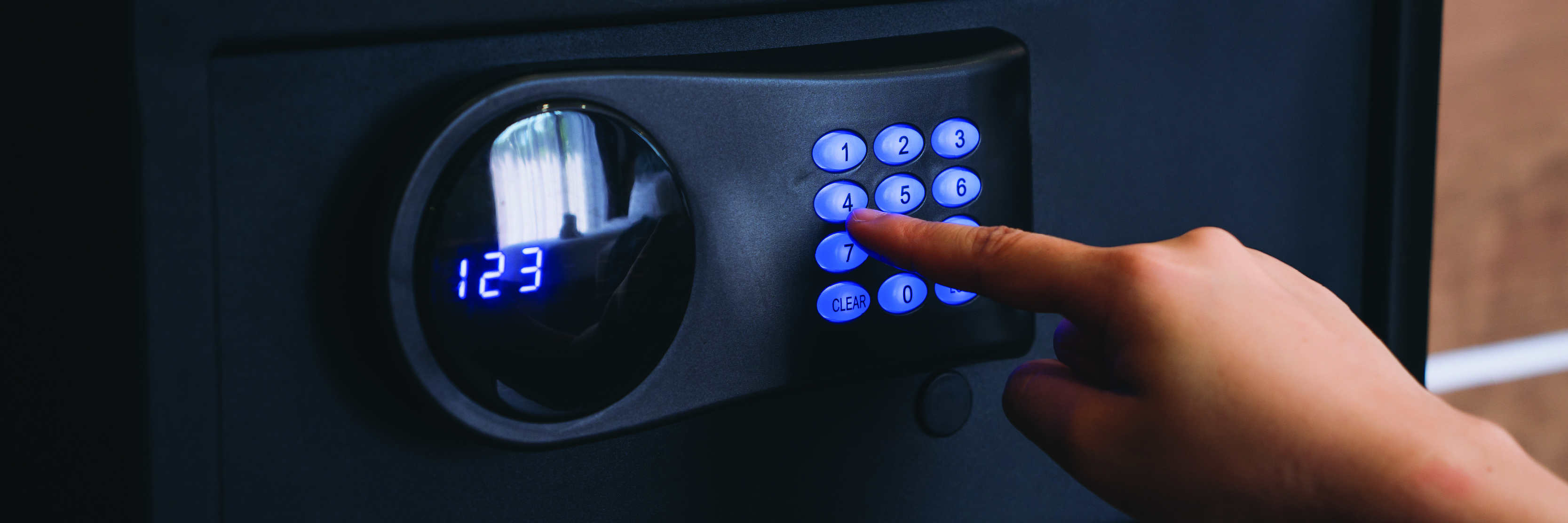
Layer Your Safe Storage: Secure storage works only when every firearm and medication is secured. At home, store firearms, magazines, ammunition, and potentially harmful medication separately to add time and distance during a crisis.
With prescription and over-the-counter medications, store them in a locked cabinet, drawer, and/or lockbox – especially opioids, sleep aids, and other potentially harmful medications. Dispose of unused or expired medication at a pharmacy take-back site or local law-enforcement collection location, in accordance with local policy.
Tools, Training, and Crisis Support
Off-installation programs, such as Project ChildSafe, provide safety kits that contain gun locks. Marines and families can contact their local police department for more information about obtaining a kit.
Lethal means safety initiatives are providing Marines and leaders with education on safe storage, as well as awareness of warning signs and indicators of suicide risk. These efforts are intended to increase awareness and encourage early intervention when Marines may be at elevated risk.
Immediate 24/7 Support
If you or someone you know is in distress, visit www.usmc-mccs.org/act to find immediate support and crisis resources in your area.