Check In, Don’t Just Check the Box
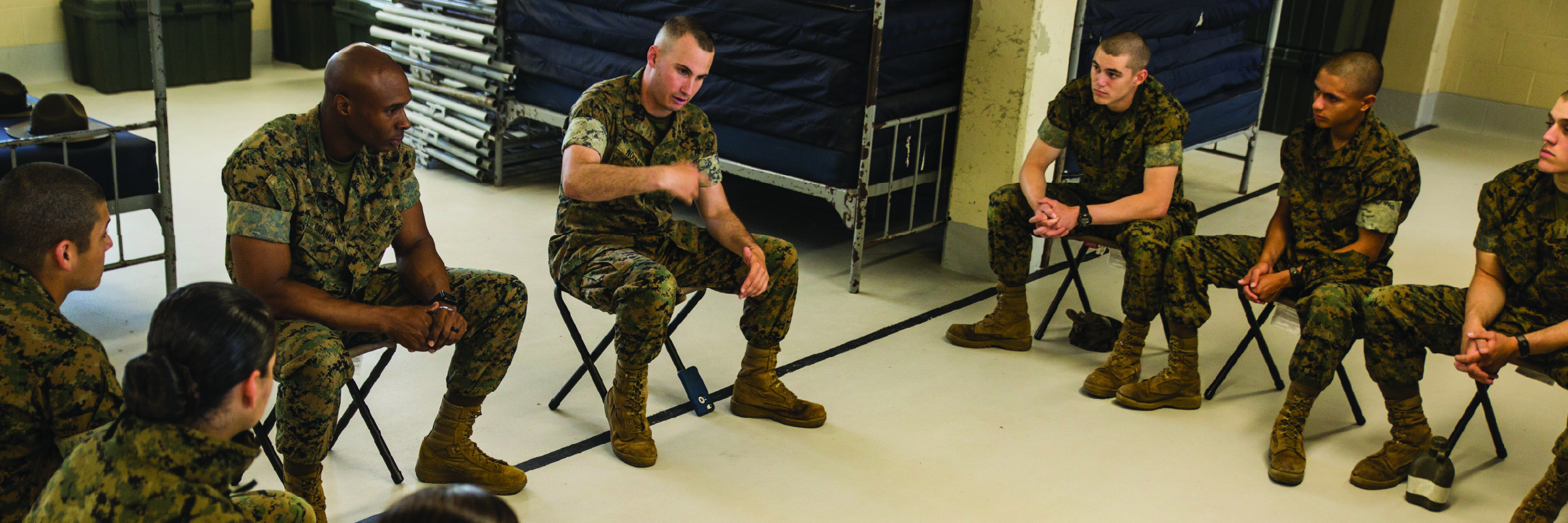
The difference between checking in and checking the box comes down to one thing: intention.
Checking the box completes a requirement. Checking in is about building a connection.
In a busy operational environment, it can be easy to focus on meeting deadlines, completing training, or fulfilling administrative requirements. While these tasks are important, simply going through the motions can sometimes miss what matters most—the people behind the requirement.
When to "Check the Box"
When leaders or peers "check the box," conversations may become rushed, routine, or surface-level. A quick wellness check or mandatory training may satisfy a requirement, but it may not reveal signs of stress, burnout, anxiety, or other challenges that can affect a Marine's well-being and performance.
When to “Check In”
Checking in means taking the time to have a genuine conversation, actively listening, and showing sincere concern for another person's well-being. It means noticing changes in behavior, asking meaningful questions, and creating an environment where Marines feel comfortable speaking up when they need support.
These simple actions can have a lasting impact. Early conversations help identify concerns before they escalate, reduce stigma around help-seeking, strengthen trust, and reinforce a culture in which Marines look out for one another.
The result is a stronger, more connected force.
Check your buddy. Check in.
It strengthens morale, reinforces resilience, and supports the readiness of Marines, families, and units across the Corps.
A conversation may only take a few minutes, but its impact can last far longer.
When a check-in signals something more, support is available. The Community Counseling Program (CCP) offers confidential, non-medical counseling to help Marines, Sailors, and families work through life’s challenges and strengthen overall well-being.
Connect with CCP for confidential support when you need it.